

『Pipeline steam flowmeter』Related information(clamp on meter|electromagnetic meter|venturi meterrotameter|orifice meter|ultrasonic flow meter|mass flow meter|coriolis mass flow meter|coriolis flow meter|magnetic flow meter|magmeter flow meter|magflow flow meter|mag meter flow meter|electromagnetic flow meter|vortex flow meter|turbine flow meter|thermal mass flow meter|thermal flow meter|rotameter flow meter)

1. What is a steam flowmeter? A steam flowmeter is a common instrument equipment used to measure the cumulative mass of steam, widely used in industries such as petrochemicals, heating, textiles, etc. It has two structural forms: mechanical and intelligent, can accurately measure the mass of steam flowing through the instrument, and has manual pressure compensation and automatic temperature compensation functions. Main functions and characteristics Measurement object: Specially used to measure the cumulative mass of steam, some types can also measure gas and liquid flow rates. Structural form: divided into mechanical and intelligent types, with intelligent types typically integrating more automation functions. Compensation function: Manual pressure compensation can be disassembled and corrected to mitigate the impact of pressure fluctuations on measurement; Automatic temperature compensation adjusts the density difference caused by temperature changes in real-time through built-in sensors, improving accuracy. Application scenarios: Petrochemical industry (steam pipeline monitoring), heating system (heat metering), textile industry (steam power equipment monitoring), etc. Common types and principles of vortex flowmeter: Based on the Karman vortex principle, the flow rate is calculated by detecting the frequency of vortex shedding in the fluid. Suitable for gases, liquids, and vapors, it has the characteristics of wide measurement range, high accuracy, low pressure loss, and strong anti-interference. Electromagnetic flowmeter: Using the principle of electromagnetic induction, the flow velocity is calculated by measuring the voltage generated by a conductive fluid in a magnetic field. No moving parts, unaffected by flui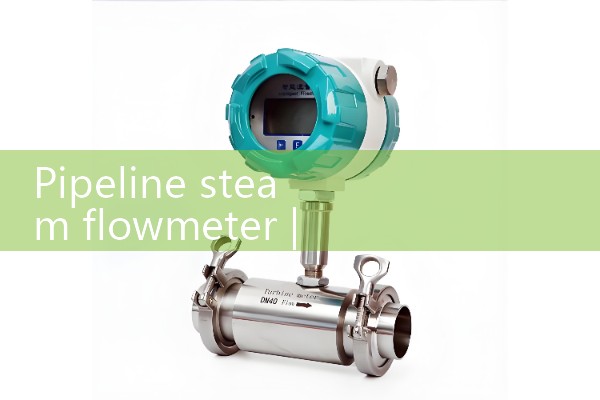
『SILVER Official Website SERVICE』
 Hot Product
 Related AD