

『Chemical Feed Flow Meter: Metering Acid and Corrosive Fluids』Related information(clamp on meter|electromagnetic meter|venturi meterrotameter|orifice meter|ultrasonic flow meter|mass flow meter|coriolis mass flow meter|coriolis flow meter|magnetic flow meter|magmeter flow meter|magflow flow meter|mag meter flow meter|electromagnetic flow meter|vortex flow meter|turbine flow meter|thermal mass flow meter|thermal flow meter|rotameter flow meter)
Chemical Feed Flow Meter: Metering Acid and Corrosive Fluids
Quick Answer
You need a chemical feed flow meter built with materials that resist corrosion from acids like sulfuric, hydrochloric, or sodium hypochlorite. Silver Automation Instruments supplies magnetic flow meters with PTFE or PFA liners, Hastelloy C electrodes, and small line sizes from DN3 to DN25 for precise dosing. Send us your fluid name, concentration, temperature, pipe size, and flow range to get a direct price quote.
Acid dosing in water treatment, CIP systems, and chemical manufacturing eats standard flow meters in weeks. We saw a zinc smelter in Peru replace three budget turbine meters in six months because the 30% HCl turned the bearings into rust. The root cause was clear: wetted parts were never specified for corrosive fluids.
Why Metering Acid Is Different
A chemical feed meter touches the fluid 24/7. Any plastic, metal, or seal that is not chemically compatible will swell, crack, or dissolve. Most engineers learn this the hard way. The flow rates are small, often 5 to 200 L/h. The fluid attacks from inside. So you cannot just pick a general-purpose meter. You need zero moving parts in the flow path or a design where only inert materials touch the acid.
In a Saudi Arabian desalination plant we support, the antiscalant dosing pumps push polycarboxylic acid at 15 bar. Their old paddle wheel meters gave readings that drifted by 20% when the rotor got sticky. Our team replaced them with a magnetic flow meter with a PFA liner and tantalum electrodes. The meter has been running for 18 months without drift. The key was the liner material choice.
Flow Meter Technologies That Work for Chemical Feed
Magnetic flow meters are the workhorse for conductive acids. Any acid with a conductivity above 5 µS/cm works, which covers HCl, H2SO4, HNO3, and caustic soda. The trick is the liner. PTFE handles most aggressive chemicals up to 150°C. PFA offers similar chemical resistance and better vacuum resistance. For HCl at ambient temperature, our standard PTFE liner with Hastelloy C-276 electrodes lasts for years. We have users in Vietnam dosing 10% HCl into cooling towers with a DN15 magmeter from Silver Instruments, and they only clean the electrodes once a year during an annual shutdown.
Coriolis mass flow meters meter acid by mass, not volume. This matters when you pay for chemicals by the kilogram. A dye manufacturer in Turkey buys 98% sulfuric acid in bulk and doses it into reactors. They switched from a glass tube rotameter to a Silver Instruments micro Coriolis meter, DN3, with Hastelloy C-22 tubes. They now know the exact mass of acid entering each batch, which squeezed their acid consumption by 3.5%. The meter paid for itself in four months.
For low-flow peristaltic pump outlets, a small oval gear meter can work if the acid is lubricating. But we rarely recommend this for strong acids because the PEEK gears and seals eventually wear. Magnetic and Coriolis are safer picks.
Real-World Installation Tips
Mount the meter close to the injection point, but after the pulsation dampener if you use a diaphragm pump. Pulsating flow confuses magnetic meters and makes the output bounce. We always ask for a straight run of 5D upstream and 2D downstream, which is easy with small pipe like DN10. In a recent job for a food grade phosphoric acid dosing skid in Australia, the customer installed the magmeter directly on the pump discharge and saw flow spikes. After moving the meter downstream of a
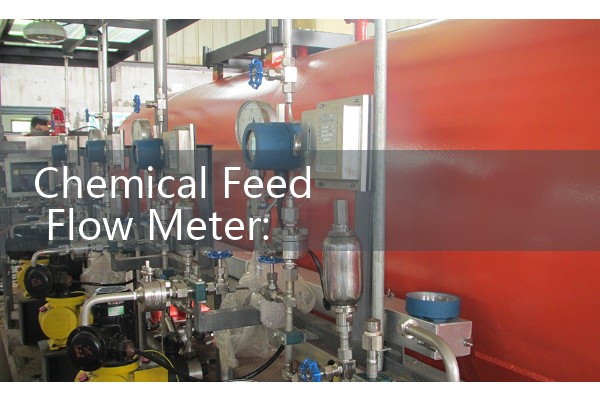
We also recommend installing a small strainer upstream. Acid tanks develop sludge, and a tiny piece of scale can block a DN3 Coriolis tube. The strainer costs less than a service call.
Specifications to Send Us for a Quick Quote
To pick the right meter for your chemical feed application, we need six numbers and one fluid name:
- Fluid and concentration (example: 30% HCl)
- Temperature in °C
- Pressure in bar
- Pipe size DN
- Flow rate range (min to max in L/h or kg/h)
- Output signal needed (4-20 mA HART, pulse, Modbus RTU)
With that data, our engineers will recommend a specific model like the Silver Instruments AMF series magnetic flow meter with PTFE liner and Hastelloy electrodes, or a DMF-1 micro Coriolis meter. Both come with factory calibration certificates and a 12-month warranty. Drop an email to [email protected] or message us on WhatsApp at 86-135-12131526. We typically reply within 2 hours during Asia business hours. You can also call +86-135-1213-1526 or reach us on WeChat at +86 13512131526.
FAQ
Can I use a magmeter for 98% sulfuric acid?
Yes, if the conductivity is above 5 µS/cm. 98% H2SO4 has low conductivity, but it is still measurable with a magnetic flow meter that has a PFA liner and tantalum electrodes. In practice, many customers dilute it slightly before dosing, which raises conductivity and makes measurement easy. If the acid is always at 98% and the temperature is below 30°C, a Coriolis meter is the safer choice because it does not depend on conductivity at all.
What materials handle sodium hypochlorite?
Sodium hypochlorite (bleach) is aggressive, but not as aggressive as HCl. We recommend a magnetic flow meter with PTFE or PFA liner and titanium electrodes. Avoid any metallic wetted parts other than titanium or platinum. Our standard model for bleach dosing uses a DN10 or DN15 tube, titanium electrodes, and a PTFE liner. A water treatment plant in Malaysia dosed 12% NaOCl with this configuration for three years with zero corrosion.
How small a flow can you measure?
With a DN3 Coriolis meter, we can measure down to 0.2 kg/h of acid. For magnetic meters, the smallest we offer is DN3 with a flow range of 0.1 to 50 L/h depending on the transmitter sensitivity. Very low flows below 1 L/h are best handled by a Coriolis meter because the velocity in a magmeter gets too low for stable readings.
Do you have ATEX or IECEx certification for chemical dosing in hazardous areas?
Yes. Our magmeters and Coriolis meters come with Ex ia or Ex d certifications for ATEX Zone 1 and 2, as well as IECEx schemes. We have supplied FM and CSA certified meters for projects in the Middle East. When you request a quote, tell us the zone and gas group so we include the correct certification package.
What is the typical lead time for a chemical feed meter?
For standard configurations like a DN15 PTFE-lined magmeter with Hastelloy electrodes, we ship within 7 to 10 working days from our factory in China. Custom liners or exotic electrode materials may take 3 to 4 weeks. Express shipping by DHL or FedEx to Southeast Asia and Oceania takes 3 to 5 days. We air freight to the Middle East, Africa, and Latin America weekly.
Send your acid details to [email protected]. Include “chemical feed flow meter quote” in the subject line so our team prioritizes your request.
 Hot Blog
 Related AD