

『LZB flowmeter』Related information(clamp on meter|electromagnetic meter|venturi meterrotameter|orifice meter|ultrasonic flow meter|mass flow meter|coriolis mass flow meter|coriolis flow meter|magnetic flow meter|magmeter flow meter|magflow flow meter|mag meter flow meter|electromagnetic flow meter|vortex flow meter|turbine flow meter|thermal mass flow meter|thermal flow meter|rotameter flow meter)
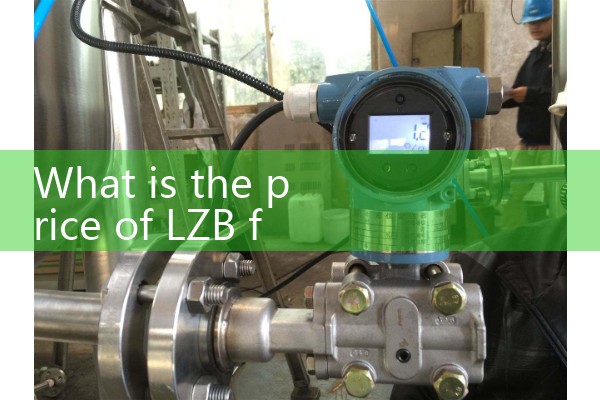
Do you know about flow meters? What are the differences in use between model LZB-3 and model LZB-4? The differences in usage between model LZB-3 and model LZB-4 are mainly reflected in the flow range and caliber. The traffic range of LZB-3 is relatively small, while LZB-4 is suitable for larger traffic demands. In addition, the diameters of the two are also different, with LZB-3 having a diameter of DN3 and LZB-4 having a diameter of DN4. In practical applications, as our companys internal flow meter straight pipe section already meets the requirements, the interface sizes of LZB-3 and LZB-4 can be replaced with each other, which will not affect the accuracy of the flow meter. Considering that these two types of flow meters may encounter different operating conditions in practical use, choosing the appropriate model is crucial to ensure measurement accuracy and system operating efficiency. LZB-3 is more suitable for situations with low traffic, while LZB-4 is suitable for applications with high traffic. It is worth mentioning that although LZB-3 and LZB-4 can be interchanged in interface size, the appropriate model still needs to be selected according to specific usage scenarios and traffic requirements during installation to ensure the stability and accuracy of the system. When choosing a flowmeter, in addition to considering the flow range and caliber, other factors such as accuracy requirements, working pressure, temperature range, etc. need to be comprehensively considered to ensure that the flowmeter can meet the needs of practical applications. 2. How to read LZB-4 glass rotor flowmeter
The core reading method of LZB-4 glass rotor flowmeter can be summarized as "three confirmations and one Xiangl
1. Confirm the medium and corresponding scale. The instrument scale may contain multiple sets of scales, and the corresponding scale should be selected according to the actual measured medium (such as water, air).
. Directly read the numerical values associated with water when using water as the medium; If the medium is different from the calibration conditions, reference should be made to the instruction manual or the conversion parameters provided by the manufacturer. 2. Observe the rotor position horizontally until it is stably suspended, and keep the line of sight level with the edge of the upper end face of the glass tube rotor. At this time, the corresponding scale value is the instantaneous flow rate value. If looking up or down is prone to visual errors, adjusting the standing height can ensure a level view. 3. Checking the flow unit and range scale values should be combined with the unit to determine the actual value (such as L/h or m ³/h). The range of the LZB-4 model is generally 1-10L/h (water) or 0.5-5m ³/h (air). When reading, attention should be paid to whether the scale division value is within the effective range of the current range. When correcting for differences in working conditions, when the temperature and pressure of the medium deviate significantly from the calibration conditions (usually 20 ℃, standard atmospheric pressure), the formula is needed: actual flow rate=instrument reading x (actual medium density/calibration medium density) ^ 0.5. If there is a lack of physical parameters, it is recommended to obtain compensation coefficients through calibrating instruments or consulting equipment manufacturers.3. What file is lzslzb
Currently, it is not possibl
 Hot Blog
 Related AD