

『Soybean Oil Flow Meter 100 L/h: Small-Scale Batching System Diagnostic Steps』Related information(clamp on meter|electromagnetic meter|venturi meterrotameter|orifice meter|ultrasonic flow meter|mass flow meter|coriolis mass flow meter|coriolis flow meter|magnetic flow meter|magmeter flow meter|magflow flow meter|mag meter flow meter|electromagnetic flow meter|vortex flow meter|turbine flow meter|thermal mass flow meter|thermal flow meter|rotameter flow meter)

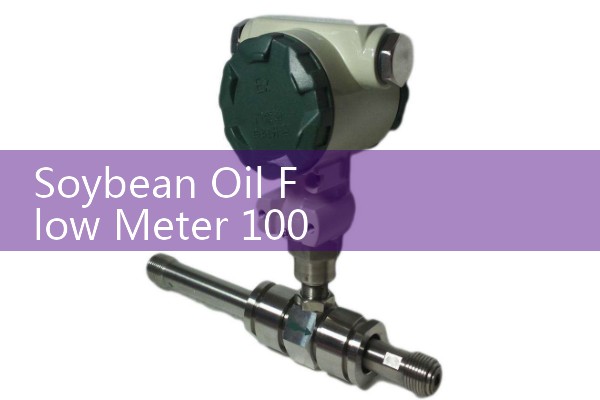
Soybean Oil Flow Meter 100 L/h: Small-Scale Batching System Diagnostic Steps
Quick Answer: When a 100 L/h soybean oil flow meter drifts or stops on a small batching skid, start with air purge verification and viscosity baseline checks. Most intermittent errors we see in food plants come from sticky oil residue inside oval gear chambers or a mismatched 4–20 mA loop load. Fix those two items first and you typically restore accuracy to ±0.2% without replacing the meter.
I set up a lot of small batching systems for edible oil, and the calls I get from maintenance teams in Indonesia, Vietnam, and Mexico often sound the same. The PLC shows a totalised batch of 102 kg instead of 100 kg, or the flow meter display freezes at 65 L/h while the pump is still running. These systems are almost always DN10 or DN15 oval gear flow meters with a pulse output, feeding a filling nozzle or a mixing tank. The diagnostic steps are not complicated if you break them down methodically.
Start with the simplest thing: air in the line
Soybean oil at 30 °C has a viscosity around 45 cP. That is high enough to trap small air bubbles after a filter change or a tank switchover. The meter reads volumetric flow, and a bubble pocket passes through the oval gears as if it were oil, so your batch controller overcounts by 5 to 15 mL per cycle. On a 100 L/h stream that adds up fast. First diagnostic step: crack the bleed valve on the strainer housing upstream and vent until you see solid oil, no foam. If your system has no sight glass, install a simple borosilicate tube spool piece after the meter. It costs maybe USD 30 and saves you hours of guesswork. We have shipped hundreds of these to small coconut oil processors in the Philippines who run identical 100 L/h batching.
Verify the viscosity matches the meter calibration
Most oval gear meters leave our factory calibrated on a reference oil at 40 cP. If your soybean oil is cold right after winter storage at 18 °C, viscosity jumps above 70 cP. The meter still turns, but the internal leakage gap inside the measuring chamber changes. You then see a slow, consistent under-registration. Not much, but on a 200 kg daily production that 1% drift becomes a quality complaint. Use a handheld viscometer or pull a sample and send it to the lab. Adjust the meter correction factor in the batch controller if the deviation is stable. Some of our customers in Argentina simply recirculate the oil through a heating loop until it reaches 28 °C before the batching sequence starts. That alone fixed a chronic batch error they had tolerated for three seasons.
Check the pulse output signal wiring
Oval gear meters on 100 L/h use a reed switch or Hall effect sensor. Reed switches are dirt cheap but they bounce at low frequency, especially when the flow is near the minimum 20 L/h limit. If your PLC or batch counter does not have a proper debounce filter, you get ghost pulses and the batch stops early or overshoots. I once walked a technician in Malaysia through this. He told me the meter was “firing random pulses.” We checked with an oscilloscope app on his phone and found 50 Hz noise coupling from a nearby VFD cable. Re-routing the pulse cable 30 cm away from the motor power line cleaned up the signal instantly. He texted me the next day: “batch stable, 100.0 L every time.” The fix took 15 minutes. Always run the pulse wire inside a separate metallic conduit or use a shielded twisted pair with the drain wire connected only at the counter end.
Inspect the oval gear set for buildup
Soybean oil oxidises slowly at room temperature, but in a tight meter chamber with stagnant oil over a weekend shutdown, a thin gum layer forms on the gear flanks and the rotor bores. That increases mechanical drag. The meter’s minimum detectable flow creeps up from 5 L/h to 15 L/h, and at 100 L/h you lose linearity. The symptom looks like a sticky needle on an analog gauge: the flow reading bounces around the setpoint by ±8 L/h. Remove the meter from the line, open the cover, and wipe the gears and the measuring chamber with a soft cloth dampened with warm isopropyl alcohol. Do not use metal scrapers. The gears are often PPS or aluminium, and a scratch ruins accuracy permanently. Most plants do this cleaning every 3 months. One edible oil filler in Egypt put it on a PM calendar and dropped meter-related downtime by 40%.
Test the 4–20 mA loop and the analog input card
Many small skid builders use a local display with an analog output to the PLC. The loop wiring is simple, but the terminal block corrosion inside a washdown enclosure is a silent killer. Steam cleaning or caustic foam attacks the nickel-plated contacts. The result is a floating 4–20 mA signal that the PLC interprets as erratic flow. A quick test: force the meter output to 12 mA (50% of scale) with a loop calibrator and read the raw value in the PLC. If it jumps by more than 0.1 mA, clean the terminals with contact cleaner and replace any rusty cable lugs. Then measure the loop impedance. For a 24 V DC supply, the maximum load should stay below 500 ohms. We see to
Spot-check the batch controller logic
A 100 L/h soybean oil system typically uses a simple preset batch counter with two-stage valve control. At 90% of the target, the controller closes the main valve and opens a small dribble valve for precise top-up. If the dribble valve orifice is too large relative to the flow rate, the system overshoots almost every cycle. The operator then blames the flow meter, but the meter is accurate. Slow down the topping phase by reducing the secondary flow to about 15–20 L/h. Adjust the pre-stop compensation value by running 10 consecutive batches into a calibrated can, measuring the actual mass, and updating the K-factor in the counter. This gives you a batch standard deviation below 0.3%, which is perfectly fine for soybean oil filling into 20-litre pails.
FAQ
Why does my soybean oil flow meter reading drop to zero during a batch?
This is most often a dry-running pump suction or a clogged strainer basket upstream. The meter itself is healthy. When the inlet pressure drops below the meter’s required minimum (typically 0.2 bar for oval gear meters), the gears stall. Check the pump prime and clean the inline Y-strainer, then vent the system completely. If the meter still reads zero while oil flows, test the sensor with a magnet passed manually over the pickup. A missing signal means a failed reed switch or disconnected cable.
Can I use the same oval gear meter for soybean oil and sunflower oil without recalibration?
Only if both oils are kept at the same temperature and their viscosities match within 10 cP. Soybean oil at 40 °C (about 20 cP) and sunflower oil at the same temperature are close enough that many small batching setups switch between them without a factor change. But never assume. Measure the actual viscosity of your oil batch. If the difference is more than 10%, change the correction factor in the flow computer or batch display. We supply a pre-programmed viscosity curve for 12 common edible oils. Tell us your oil type and operating temperature and we load it before shipment.
The stainless steel oval gear meter worked perfectly for a year, now it slowly undercounts. No visible leak. What changed?
Internal bypass leakage from worn rotor bearings is the probable cause. Even 316L stainless gears in a hard chrome-plated chamber wear over time, especially if the soybean oil contains fine filtration earth residues. Send the meter back for a bench calibration test. If the error exceeds 1% at full scale, we usually replace the bearing set and the gear pair. In 80% of cases the housing is reusable. Typical rebuild cost for a DN15 meter is about 30% of the new price, and turnaround with DHL express to Jakarta or Dubai is under 10 business days.
How do I integrate a 100 L/h soybean oil flow meter into a small batch controller that only accepts NPN pulses?
Our standard oval gear meters can be supplied with a PNP or NPN Hall effect sensor. If you already have a PNP model and the controller needs NPN sinking pulses, add a simple 1 kΩ pull-down resistor between the signal wire and 0 V, then connect to the controller input. The pulse shape changes from 24 V high to 0 V low, which most Asian PLCs read without issue. Include this requirement in your PO. We configure the output stage in the workshop. No extra cost for small volumes up to 100 meters.
Is the 100 L/h soybean oil meter suitable for ATEX Zone 2 if we batch ethanol blends later?
For ethanol-soybean oil mixtures with a flash point below 40 °C, the area classification often moves to Zone 1 or Zone 2. We offer the same oval gear meter body with an intrinsically safe Namur sensor and an external zener barrier. The meter certification reads Ex ia IIC T6 Ga. Use it with a suitable isolator in the safe area cabinet. Always notify us of the solvent percentage and the lower flammability limit during enquiry. We will set the mechanical clearance group and the sensor type accordingly. Never use a standard reed switch meter on a flammable liquid blend. We have seen a customer bypass this and the local inspector confiscated the entire skid. The corrected version cost EUR 200 more and arrived in 18 days.
Get a diagnostic checklist matched to your exact setup
Every batching skid is a little different. Send us your soybean oil temperature range in °C, the pipe size (DN10 or DN15), the flow range (e.g., 20–120 L/h), and a photo of the meter nameplate. We return a checklist showing the most likely failure point based on 1,200 field reports from similar food plants. Reach us at Silver Automation Instruments via [email protected] with the subject “Soybean Oil Meter 100L/h Diagnostic.” Our engineers read English, Spanish, Portuguese, and Vietnamese, so write in the language you prefer.
 Hot News
 Related AD