

 Current position > News detail
『Flow meter application』Related information(clamp on meter|electromagnetic meter|venturi meterrotameter|orifice meter|ultrasonic flow meter|mass flow meter|coriolis mass flow meter|coriolis flow meter|magnetic flow meter|magmeter flow meter|magflow flow meter|mag meter flow meter|electromagnetic flow meter|vortex flow meter|turbine flow meter|thermal mass flow meter|thermal flow meter|rotameter flow meter)
1. Types and principles of flow meters
The types of flow meters mainly include volumetric flow meters, differential pressure flow meters, float flow meters, turbine flow meters, electromagnetic flow meters, vortex flow meters (a type of fluid oscillation flow meter), mass flow meters, insertion flow meters, and probe flow meters. The following are the working principles and applications of several commonly used flow meters.
1. Principle of differential pressure flow meter: Calculate the flow rate based on the differential pressure generated by the flow detection component installed in the pipeline, combined with known fluid conditions and the geometric dimensions of the detection component and the pipeline.
. Application: Widely used for flow measurement in closed pipelines, suitable for various fluids and working conditions, such as single-phase and mixed phase fluids, atmospheric and high-pressure environments, as well as fluids with different diameters and flow states. Principle of float flowmeter: Using the principle of variable area, the flow rate is measured by the rise and fall of the float in a vertical cone tube. The gravity of the float is supported by liquid dynamics. Application: It plays an important role in small and micro flow measurement and has a wide range of applications, second only to differential pressure flow meters. Principle of volumetric flow meter: The fluid is continuously divided into individual known volume parts through mechanical measuring elements, and the total volume of the fluid is measured based on the number of times the measuring chamber is repeatedly filled and discharged with this volume part. Application: It is commonly used for measuring the total amount of e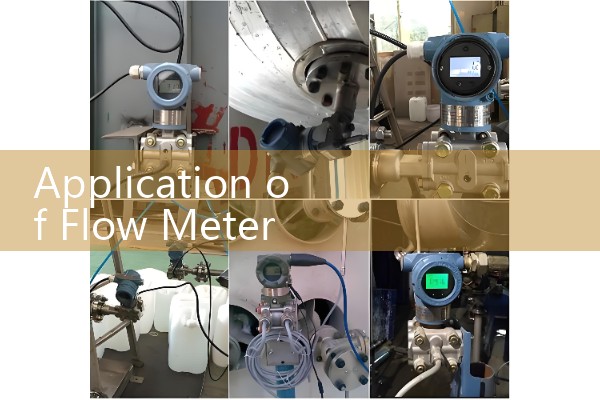
4. Turbine flow meter principle: It uses a multi blade rotor (turbine) to sense the average flow velocity of the fluid, thereby deriving the flow rate or total amount.
. Application: Widely used in the measurement of petroleum, organic liquids, inorganic liquids, liquefied gas, natural gas, and low-temperature fluids. The introduction of the types and principles of flow meters above aims to help users understand different types of flow meters and their working principles, in order to make their selection and use more accurate and efficient.2. Usage and function of flow meter
Usage and function of flow meter are as follows: Usage: Select the appropriate flow meter: According to the nominal flow rate of the filter, select the corresponding flow meter, such as "plastic float flow meter" or "plate flow meter".
. Installation position: Select a suitable location and connect the flowmeter in series with the outlet pipe of the filtration system according to the installation requirements of the flowmeter. Monitoring and recording: Record the effluent flow rate of newly opened or newly cleaned filtration systems as the standard value. In the subsequent use process, regularly monitor the flow value and observe its changes. Function: Accurately determine the cleaning timing: By monitoring the gradual decline of the effluent flow rate of the filtration system, it is possible to accurately determine when the filter needs to be cleaned. Avoiding the problem of premature or late cleaning that may have been caused by blindly cleaning according to dates in the past. Improving the efficiency of the filtration system: Cleani