

『Gw Kent Flomec Water Flow Meter 984110 Specifications: Sanitary Sizing for Craft Brewing Lines』Related information(clamp on meter|electromagnetic meter|venturi meterrotameter|orifice meter|ultrasonic flow meter|mass flow meter|coriolis mass flow meter|coriolis flow meter|magnetic flow meter|magmeter flow meter|magflow flow meter|mag meter flow meter|electromagnetic flow meter|vortex flow meter|turbine flow meter|thermal mass flow meter|thermal flow meter|rotameter flow meter)
Gw Kent Flomec Water Flow Meter 984110 Specifications and Sanitary Sizing for Craft Brewing Lines
Quick Answer: The Gw Kent Flomec 984110 is a sanitary turbine style flow meter sized for clean liquid transfer in craft breweries. It handles water, wort, beer and CIP rinse water when the DN size and flow range are matched. Send your DN size, flow range in L/min, temperature and CIP chemical list to Silver Instruments for a sizing check or a compatible replacement quote.
984110 Hardware Details You Should Check First
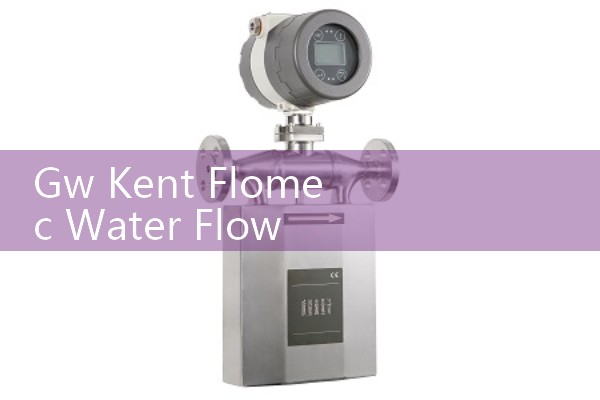
Most brewers see the 984110 listed with a 1 inch or 1.5 inch sanitary clamp body. The wetted body is 316 stainless steel in many builds. The rotor can be PVDF or PTFE. Shaft and bearings are often ceramic or tungsten carbide. Seals vary by order code. EPDM works for hot water and weak caustic. FKM handles some chemical exposure better. For strong CIP solutions or acid washes, confirm the seal material before you buy. The meter is not a universal fit for every chemical skid.
Typical pressure rating is around 10 bar at 20 °C. Maximum liquid temperature is often 80 °C for continuous duty, with short hot water flushes up to 95 °C or 121 °C depending on the seal and bearing set. If your brew house runs a hard CIP cycle above that, the rotor bearings become the failure point. We have seen this on customer sites in Southeast Asia where the CIP skid runs hotter than the nameplate.
Sanitary Sizing for Craft Brewing Lines
Do not choose the 984110 by nominal pipe diameter alone. Flow rate is the real sizing input. For a DN25 line, the useful range may start around 2 to 4 L/min and top out near 50 to 75 L/min. For a DN40 line, the range may start around 6 to 10 L/min and reach 150 to 190 L/min. Check the published flow table for the exact rotor and bearing version because small differences in rotor design shift the lower cut off.
In practice, craft breweries often run multiple liquids in the same pipe. Wort transfer may run at 30 L/min in a DN40 line. CIP return may run at 120 L/min in the same pipe. One meter may handle both flows only if the range is wide enough. If the CIP flow drops below the meter minimum, the pulse output becomes unstable and the batch volume reading drifts.
Straight Pipe and Installation Rules
The 984110 is a turbine style meter. It likes a stable velocity profile. Short elbows, partially open butterfly valves, and pump discharge turbulence reduce repeatability. A practical rule is 10 pipe diameters of straight run upstream and 5 downstream. For a DN40 line, that means 400 mm upstream and 200 mm downstream. Most brewery skids do not have that space. In that case, use a flow straightener or move the meter to a longer pipe section.
Back pressure matters more than most installers expect. If the meter discharges straight into an open tank with no downstream restriction, dissolved gas can come out of solution and cause rotor slippage. Maintain at least 0.5 bar of back pressure on beer and wort lines. This is not a 984110 specific issue. It applies to all turbine meters on low pressure transfer lines.
Output Signal and Control Integration
The 984110 is usually specified with a pulse output. The rotor passes a magnetic pickup and generates a frequency signal proportional to flow. The K-factor in pulses per liter changes slightly across the flow range. For batch control, a PLC or batch controller converts the pulses to volume. Some builds include a 4-20 mA transmitter. Ask your supplier whether the unit comes with a local display or a bare pickup. That choice changes w
For a brewery transfer skid with a PLC, a pulse input works fine if the input card accepts a dry contact or NPN/PNP pulse. Galvanic isolation is worth adding because long cable runs across a wet brewery floor pick up noise. We have seen pulse miscounts on a 30 meter cable run between a flow meter and a control cabinet. The root cause was noise, not the meter.
Wort, Beer and CIP Compatibility
The 984110 can measure water and wort. Beer with low solids is generally safe for the rotor. However, high gravity wort with heavy trub or hop particles can build up on the rotor and bearings. If the rotor sticks, the meter stops sending pulses. Breweries that dry hop heavily should consider a full bore electromagnetic flow meter for the wort path. A mag meter has no moving parts and handles solids without the same clogging risk.
CIP cleaning is a process requirement, not an afterthought. The meter must stay wetted during the complete wash cycle. Caustic concentration, temperature, and contact time all matter. EPDM seals and PTFE rotors handle standard brewery CIP. Strong acid washes below pH 2 can attack metal parts if the body is not fully 316L. Ask for a material certificate when the meter will see acid or chlorine based sanitizers.
When to Order a Compatible Replacement
Silver Instruments supplies industrial flow meters for water, wort, beer, CIP, and utility lines. We often help breweries in Vietnam, Thailand, Mexico, and Australia replace a worn 984110 with a sanitary turbine meter or an electromagnetic alternative. The correct replacement depends on flow range, pipe size, signal type, and process temperature.
Send us your pipe size in DN, your normal and maximum flow rate in L/min, the liquid type, CIP temperature, and the existing output signal. We will check the sizing against the 984110 specifications and quote a compatible meter. Contact Silver Automation Instruments by Tel at +86-25-68650347, Whatsapp at +86-25-52155837, or WeChat at +86 15365082610. You can also visit flow-meter.com.au for sanitary flow meter options.
Five Questions Engineers Ask Before Ordering
What flow range does the 984110 handle on a DN40 craft brewery line?
Typical usable range may be 6 to 190 L/min depending on rotor and K-factor. The lower cut off matters for CIP return. Check the exact order code before you commit.
Can the 984110 handle hot CIP at 85 °C?
Yes for short exposure if seals and bearings are specified for hot water or weak caustic. Continuous duty above 80 °C shortens bearing life. Confirm maximum temperature for your full wash schedule.
Does the meter work after a dry hop addition?
Dry hop particles can clog or slow the rotor. A full bore electromagnetic flow meter is often a better choice on heavily hopped beer or high solids wort. The 984110 works best on clean filtered lines.
What output signal should I order?
Pulse output works well with batch controllers and PLC counters. Choose 4-20 mA if the control system lacks a high speed pulse input or needs continuous flow rate trending. Verify the K-factor and transmitter scaling before commissioning.
Can I install the 984110 near a pump?
Avoid direct pump discharge. You need straight pipe to settle the velocity profile. Put the meter downstream of a straight run and above the minimum back pressure point.
Send your pipe size, flow range, temperature, and CIP chemicals to Silver Instruments. We will confirm the correct sanitary flow meter for your brewing line.
 Hot Blog
 Related AD