

『pipe flow meter』Related information(clamp on meter|electromagnetic meter|venturi meterrotameter|orifice meter|ultrasonic flow meter|mass flow meter|coriolis mass flow meter|coriolis flow meter|magnetic flow meter|magmeter flow meter|magflow flow meter|mag meter flow meter|electromagnetic flow meter|vortex flow meter|turbine flow meter|thermal mass flow meter|thermal flow meter|rotameter flow meter)
What standards are included in the installation of pipeline flow meters? The installation of pipeline flow meters requires compliance with multiple standards. 1. General installation standards: Relevant industrial pipeline installation standards should be followed, such as GB 50235 "Code for Construction of Industrial Metal Pipeline Engineering", which specifies the installation process, connection methods, and fixing requirements of pipelines to ensure that the pipeline system where the flowmeter is installed meets basic engineering quality requirements and provides a foundation for the stable operation of the flowmeter. 2. Flow meter standards: Different types of pipeline flowmeters have their own standards. Taking the electromagnetic flowmeter as an example, it should comply with the GB/T 18659 "Electromagnetic Flowmeters" standard, which specifies the installation environment requirements, such as avoiding strong electromagnetic field interference; Installation location requirements: There must be a certain length of straight pipe sections upstream and downstream to ensure measurement accuracy. Safety standards: The installation process must comply with safety regulations, such as GB 50160 "Fire Protection Code for Petrochemical Enterprise Design", which involves the installation of flow meters in pipelines with flammable and explosive media. It stipulates explosion-proof requirements, grounding measures, etc., to prevent improper installation from causing safety accidents. Measurement standards: In order to ensure that the measurement accuracy meets the measurement requirements, relevant measurement standards must be followed, such as JJG 1033 "Electromagnetic Flow Meter Verification Regulations", which specifie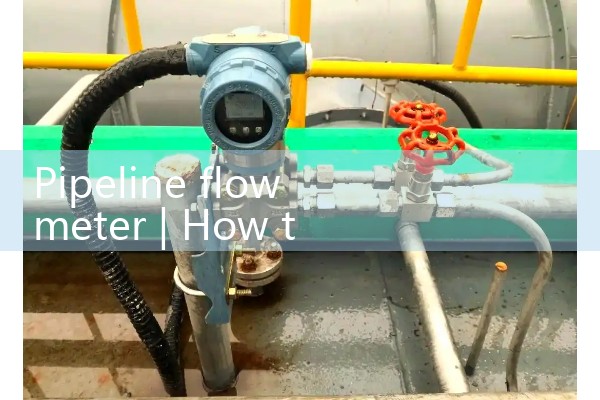
2. How to read the flow rate of a flowmeter
A flowmeter is a specialized instrument used to measure the flow rate of liquids, gases, or vapors through pipelines.
. Usually, flow meters are equipped with a display screen or reader for real-time display of fluid flow values. To check the flow rate of the flowmeter, you can follow the following process: First, observe the display screen or reader of the flowmeter, which usually has a clear numerical display area. Next, ensure that the flow meter is installed correctly and connected to the fluid pipeline, while checking for any leaks or blockages. Then, open the fluid pipeline and allow the fluid to start flowing through the flowmeter. At this point, you can see that the reading or display screen of the flowmeter is constantly changing, which represents the current flow rate flowing through the flowmeter. It is worth noting that different types of flow meters may have different operating and display modes. Therefore, the above steps are for reference only. If you still have questions about how to check the flow rate of the flowmeter, it is recommended to refer to the user manual of the flowmeter or contact professional Peiqingxiao technicians for guidance. If the display screen or reader of the flowmeter malfunctions or displays abnormally, it may be necessary to contact professionals for inspection and repair. In addition, regular maintenance and calibration of flow meters ar Hot Blog
 Related AD