

 Current position > News detail
『Gear Oil Flow Meter DN50: Heavy-Duty Transmission Protection Strategies』Related information(clamp on meter|electromagnetic meter|venturi meterrotameter|orifice meter|ultrasonic flow meter|mass flow meter|coriolis mass flow meter|coriolis flow meter|magnetic flow meter|magmeter flow meter|magflow flow meter|mag meter flow meter|electromagnetic flow meter|vortex flow meter|turbine flow meter|thermal mass flow meter|thermal flow meter|rotameter flow meter)
Gear Oil Flow Meter DN50: Heavy-Duty Transmission Protection Strategies
Quick Answer: A DN50 gear oil flow meter protects heavy-duty transmissions by detecting oil starvation before catastrophic failure. Silver Automation Instruments supplies oval gear flow meters that measure gear oil accurately across wide viscosity ranges, from cold startup to full load. Get a direct quote by sending your oil viscosity, flow range, pipe size, and operating temperature.
Why Gear Oil Flow Measurement Matters for Transmission Health
Heavy gearboxes in mining trucks, marine propulsion, and cement mills run on pressurized oil circuits. A drop in flow often points to a failing pump, a clogged filter, or internal leakage. Without real-time flow data, maintenance teams discover the problem only after bearings score or gears weld together. We have seen this pattern on customer sites multiple times. A mining contractor in Indonesia lost a final drive on a haul truck because a slow decline in gear oil flow went unnoticed for weeks. The rebuild cost more than twenty flow meters.
Sizing the meter to DN50 matches many medium-duty transmission lubrication lines. The nominal 50 mm bore handles flow ranges from 20 to 200 litres per minute while keeping pressure drop low. Most gear oil circuits in marine gearboxes, extruder drives, and heavy-duty industrial transmissions fall exactly into this range. Silver Aerospace and Defense customers specify DN50 for engine test stands where gear oil flow must be verified continuously.
What Makes a DN50 Oval Gear Flow Meter the Right Choice
Turbine meters lose accuracy when gear oil viscosity jumps from 30 cSt at operating temperature to over 1000 cSt during winter morning startup. Oval gear meters do not care about viscosity changes. They trap precise pockets of oil between two oval rotors and count the displaced volume directly. Accuracy remains within ±0.5% of reading from 10 cP to 2000 cP, and the meter holds calibration for years if you keep the oil free of metal shavings. In practice, a marine workshop in Brisbane tested our OGF-DN50 on a stern tube lubrication system with SAE 80W-90 oil. At 15 degrees Celsius the turbine meter they used before under-reported flow by 18%. The oval gear meter from Silver Instruments showed the true oil delivery rate within 0.3%.
Additional advantages come from the meter design. No straight pipe runs are required. You can install the meter tight against a 90-degree elbow or right after a filter housing. The body is typically stainless steel or cast iron with Viton or PTFE seals, compatible with mineral and synthetic gear oils. Pulse output gives the PLC a direct volume total, while the 4-20 mA HART signal sends instantaneous flow rate to your control room. We also pair these meters with our paperless recorders for customers who want a tamper-proof audit trail of transmission lubrication health.
Installation Guidelines and Common Pitfalls
Most engineers skip this part and then call us when the meter reading becomes unstable. Air pockets cause the oval rotors to spin erratically. The pipe must run full of oil at all times. Mount the meter with the rotor axes horizontal and fill the pipe completely before startup. Install a Y-type strainer 40 mesh or finer upstream because gearboxes shed metal particles that can jam the rotors. This is not a reliability weakness; it is physical protection for any positive displacement meter. A steel producer in Brazil installed our DN50 meter directly on a mill pinion lubrication line without a strainer. After two months a small metal chip locked the rotors and the flow signal dropped to zero. The control system triggered a low-flow alarm and saved the gearbox, but the meter needed cleaning. Adding a strainer prevented a repeat incident.
For transmissions operating in ATEX Zone 1, we supply the meter with intrinsically safe pickup coils and certified barriers. Only the electrical components need the rating because the mechanical flow element has no ignition risk. State the hazardous area classification when you request a quote. Temperature and pressure limits for the standard meter are 120 degrees Celsius and 40 bar. If your gearbox runs hotter, ask us about high-temperature options. Also check the oil type: extreme pressure additives and anti-wear packages do not attack Viton or PTFE seals, but some older mineral oils with high aromatic content can swell standard elastomers. We can change the seal material if you tell us your oil formulation.
Heavy-Duty Transmission Protection Strategies Using Flow D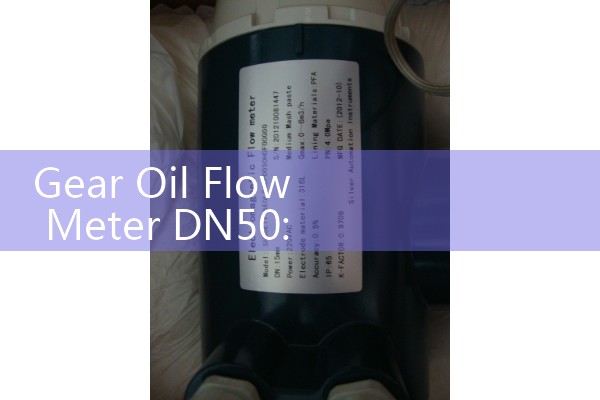
Here is the thing: a flow meter only adds value when the data triggers action. We always advise customers to set two alarm thresholds. The first alarm triggers at 10% below normal flow. Send a maintenance alert. The second alarm at 25% drop stops the drive train immediately. This simple strategy prevented a catastrophic gearbox failure at a palm oil mill in Malaysia. The DN50 meter recorded a gradual flow reduction over three weeks as the lube oil pump wore. The maintenance team replaced the pump during a scheduled shutdown, avoiding a production loss worth tens of thousands of dollars.
Log the 4-20 mA signal with a paperless recorder or SCADA system. Look for flow oscillations that match shaft speed. Oscillations often indicate a cracked suction line drawing air or a damaged pump coupling. A paper mill in Vietnam detected a hairline crack in the gear oil pipe by noticing small periodic dips in the flow trend. They fixed the pipe and saved several thousand litres of oil per year. Because the oval gear meter provides both flow rate and totalised volume, you also gain visibility into leaks. A sudden jump in daily oil consumption without a corresponding change in flow rate points to a leak downstream of the meter.
How to Select the Right Meter for Your Gear Oil Application
Do not just order a DN50 gear oil flow meter without checking a few key parameters. List your normal and maximum flow rates in litres per minute. Confirm the oil viscosity at lowest startup temperature and at normal operating temperature. Provide the pipe schedule, flange rating, and any hazardous area requirements. Silver Automation Instruments configures each meter with the correct bearing type for continuous duty, the right pulse resolution for your batch controller, and the appropriate certification if needed. A customer in Chile recently sent us oil samples and we verified seal compatibility at our lab before shipping. We include a calibration certificate traceable to national standards with every meter.
Send us your pressure (bar), temperature (°C), pipe size (DN), and flow range. You will receive a quotation that lists the complete meter assembly, wiring diagram, and filter recommendation. Our technical team reviews every order to prevent the most common mistake: buying a meter rated for 30 L/min when the actual minimum flow is only 5 L/min, which falls below the meter turndown and leads to poor accuracy. We will tell you if your application sits outside the reliable range and suggest an alternative size.
Frequently Asked Questions
Q: Can a DN50 oval gear flow meter handle high-viscosity gear oil at cold start?
A: Yes. The meter measures accurately from 10 cP to over 2000 cP. Even if cold oil viscosity reaches 5000 cP, the meter will still function, though pressure drop increases. A common industrial practice is to allow the oil to warm up for a few minutes before relying on flow measurements. The meter will not drift or lose calibration.
Q: What output signal should I choose for a PLC that monitors transmission health?
A: The 4-20 mA with HART protocol is the most versatile choice. It carries flow rate and also allows device diagnostics. Pulse output is best when you need totalised volume for oil consumption calculations. We can supply both outputs from one meter.
Q: Do I need straight pipe runs before and after the meter?
A: No straight pipe runs are needed for oval gear meters. However, you must install a strainer or filter upstream to protect the rotors. Valve placement is also flexible: the meter can be placed directly after a ball valve without accuracy penalties.
Q: What material is the meter housing?
A: Standard housing is 304 stainless steel or high-strength cast iron with internal aluminium rotors. For corrosive environments such as offshore platforms, we offer full stainless steel internals. Seals are Viton or PTFE as standard. Specify your gear oil type so we match the elastomer.
Q: How do I get a price and delivery time for a DN50 gear oil flow meter?
A: Send your oil type, viscosity range, flow rates, process temperature, and pipe connection standard to our sales team. We respond within 24 hours with a quotation that includes the meter, installation kit, and calibration certificate. Visit flow-meter.com.au or flow-meter.com.au to find the contact form. Mention the DN50 heavy-duty transmission application so we assign the correct specialist.